
While many patients use the terms acid reflux and GERD interchangeably, they are not exactly the same. Understanding the difference is important, especially if you are experiencing frequent heartburn, regurgitation, or difficulty swallowing.
As a laparoscopic surgeon specializing in gastroesophageal reflux disease, Dr. Anthony Vine provides comprehensive GERD treatment in NYC, helping patients determine whether their symptoms require lifestyle changes, medication, or minimally invasive surgical treatment.
What Is Acid Reflux?
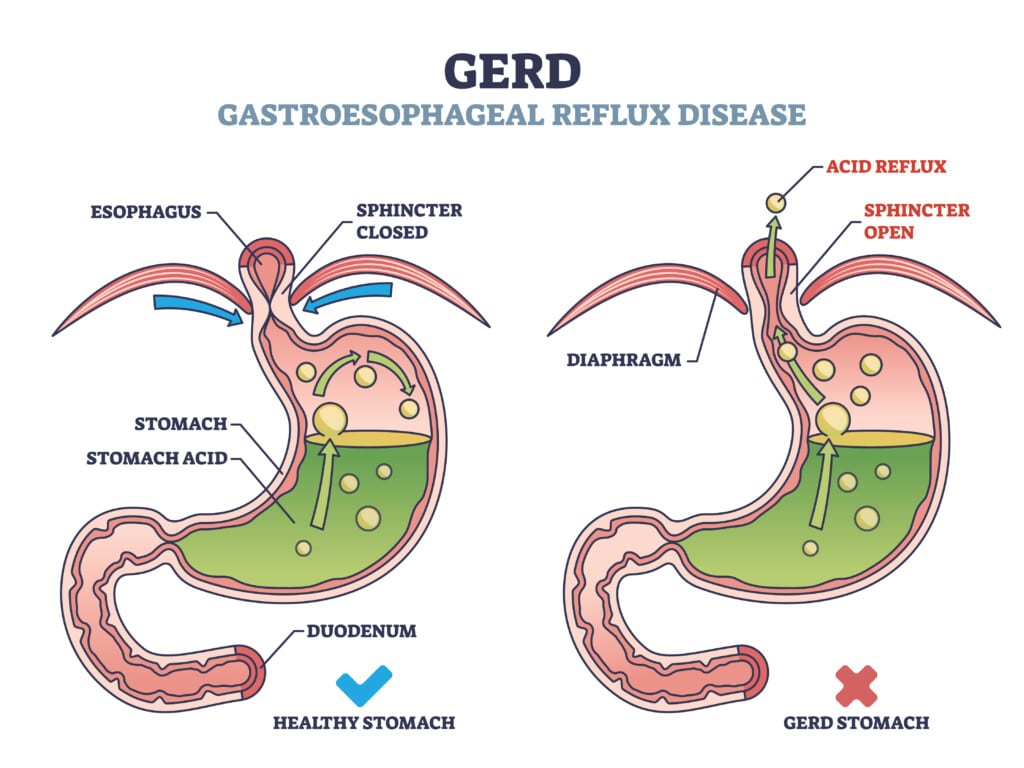
Acid reflux occurs when stomach acid flows backward into the esophagus.
Normally, a muscle called the lower esophageal sphincter (LES) acts as a valve between the esophagus and stomach. When functioning properly, it prevents acid from rising upward. If the LES relaxes at the wrong time or becomes weak, acid can move into the esophagus — causing irritation and discomfort.
Common symptoms of acid reflux include:
- Heartburn — a burning sensation in the chest, especially after eating or when lying down
- Regurgitation — sour or bitter fluid rising into the throat or mouth
- Chest pain that can mimic heart-related issues
Occasional acid reflux is common and may happen after large meals, late-night eating, spicy foods, alcohol, or caffeine.
What Is GERD?
Gastroesophageal Reflux Disease (GERD) is a chronic condition in which acid reflux happens frequently and causes ongoing symptoms or complications.
GERD is diagnosed when reflux becomes persistent and begins to affect quality of life or cause damage to the esophagus.
Additional GERD symptoms may include:
- Dysphagia (difficulty swallowing)
- Chronic cough
- Sore throat or hoarseness
- Bad breath
- Persistent chest discomfort
If left untreated, GERD can lead to:
- Esophagitis (inflammation of the esophagus)
- Ulcers
- Barrett’s esophagus, a potentially precancerous condition
The Key Difference
Acid reflux is occasional. GERD is chronic.
You may have acid reflux after a heavy meal, but that does not automatically mean you have GERD. However, if symptoms occur regularly, disrupt sleep, require daily medication, or cause swallowing difficulty, it may indicate GERD and should be evaluated by a specialist.
What Causes GERD?
Several factors can weaken the lower esophageal sphincter and contribute to chronic reflux:
- A relaxed or weakened lower esophageal sphincter (LES)
- Obesity
- Hiatal hernia
- Late-night snacking or large meals
- Spicy, fried, or fatty foods
- Caffeine, alcohol, citrus, chocolate
- Smoking
- Pregnancy
- Certain medications including pain relievers, antihistamines, and calcium channel blockers
A hiatal hernia is a particularly common structural cause and is frequently addressed during surgical treatment.
When Should You See a Specialist?
You should consider evaluation if you experience:
- Frequent heartburn
- Symptoms that persist despite medication
- Difficulty swallowing
- Chronic cough or hoarseness
- Chest pain that has been ruled out as cardiac
Because reflux symptoms can overlap with other esophageal disorders, accurate diagnosis is essential before pursuing treatment.
GERD Treatment in NYC with Dr. Anthony Vine
The good news is that GERD is treatable, and not everyone requires surgery.
For some patients, dietary changes and lifestyle modification significantly improve symptoms. Others benefit from medical therapy. When symptoms persist or complications develop, minimally invasive surgery may provide long-term relief.
Dr. Anthony Vine works closely with experienced gastroenterologists to ensure that:
- Symptoms are truly due to GERD
- Diagnostic testing confirms the diagnosis
- Surgery is appropriate and necessary
- Patients receive coordinated, comprehensive care
When surgical treatment is indicated, Dr. Vine specializes in minimally invasive laparoscopic procedures designed to restore the function of the lower esophageal sphincter and prevent acid from flowing backward.
Why Experience Matters
Dr. Anthony Vine is an Attending Surgeon and Clinical Professor of Surgery at the Icahn School of Medicine at Mount Sinai. His office is located in New York City, at the Laparoscopic Surgical Center of New York, at 1010 Fifth Avenue.
If surgery is necessary, his expertise in advanced minimally invasive surgery allows patients to receive effective treatment with smaller incisions, faster recovery, and durable results.
If you are unsure whether you are experiencing occasional acid reflux or chronic GERD, evaluation by an experienced specialist can provide clarity and relief. Early diagnosis and appropriate treatment can prevent long-term complications and significantly improve quality of life.
To schedule a consultation with Dr. Anthony Vine please visit our Contact Us page and fill out the form, or call our office at 212-879-6677.